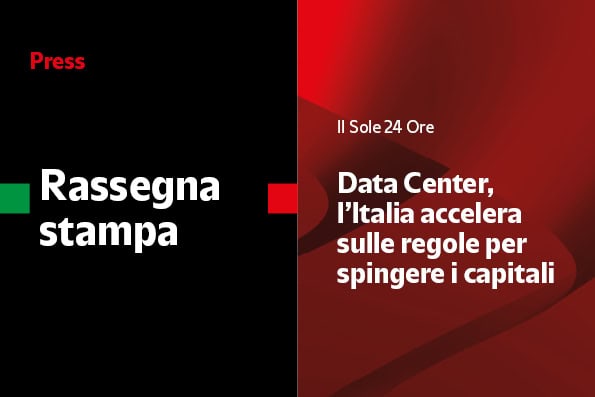
Italy is taking a decisive step toward modernizing the regulatory framework governing the development of data centers—now central infrastructure for the digital economy, artificial intelligence and data security. With more than €7 billion invested in the sector over the past three years, the country now faces a crossroads: finally adopt clear and streamlined rules, or risk further slowing competitiveness compared to leading European markets.
The recently introduced “energy bills” decree, which came into force on February 21, for the first time establishes a single administrative procedure to authorize new data centers through a conference of services. This process is designed to be completed within ten months, with extensions allowed only in exceptional cases. It marks a significant change aimed at speeding up approval processes that have often been slowed by overlapping environmental, urban planning and landscape permits.
According to experts, however, the issue of competent authority remains unresolved. Responsibility is currently assigned to the body that grants the Integrated Environmental Authorization (AIA), which is required only for facilities above 50 MW. This approach risks creating imbalances both for smaller projects and for public offices tasked with managing authorizations that may not always be necessary.
At the same time, regulatory developments are also taking place at the local level. The Lombardy Region—the area with the highest concentration of projects in the pipeline—has presented a regional bill dedicated to data centers, while the Metropolitan City of Milan has launched its own thematic and territorial strategy, currently being finalized. Regional rules appear complementary to the national decree, introducing elements such as classifying data centers as productive land uses and new rules on charges, including for developments on agricultural land.
The regulatory framework is completed by the enabling law on data centers, approved at first reading by the Chamber of Deputies on February 24. The law aims to recognize data centers as infrastructure of public utility, promoting the reuse of brownfield industrial areas and sustainability‑oriented investments.
For Sherif Rizkalla, President of the Italian Datacenter Association, the reform of authorization procedures could represent the long‑awaited turning point for Italy: “A single national approval process can allow the country to close the gap with European neighbors and position itself as a new digital hub in the Mediterranean.”
The challenge now lies in turning these rules into effective tools, ensuring a balance between industrial needs, environmental protection and faster decision‑making. Italy’s ability to attract investment in the data center sector—an increasingly crucial asset for the competitiveness of companies and institutions—will depend on how quickly these new mechanisms are put into operation.
To learn more:
https://ntplusentilocaliedilizia.ilsole24ore.com/art/data-center-l-italia-accelera-regole-spingere-capitali-AIsfIvwB